Landscape Architecture
for Development, Public Realm and Ecological Systems
Thoughtful landscapes that connect people and place
Landscape Architecture Rooted in
Ecology, Practicality and Place
Bombus Ecoscapes is an accredited landscape architecture practice providing thoughtful landscape architectural services across development, public realm, ecological, and residential projects throughout Kingston and Eastern Ontario.
We believe strong landscapes emerge through a balance of design, ecological thinking, practical implementation, and long-term stewardship.
SERVICES

Landscape Architecture
Planning, site design, approvals, and construction documentation for public, commercial, institutional, and residential projects.

Ecological & Planting Systems
Native planting strategies, ecological restoration, pollinator systems, afforestation, and resilient landscape planting.

Implementation + Delivery
Tender support, construction coordination, site reviews, and oversight to help ensure projects are built successfully.
Whether you are a developer, public agency, consultant, or homeowner, explore the sections below to learn more about the specific services and project experience offered within each stream.
FOR DEVELOPMENT + CONSULTING TEAMS
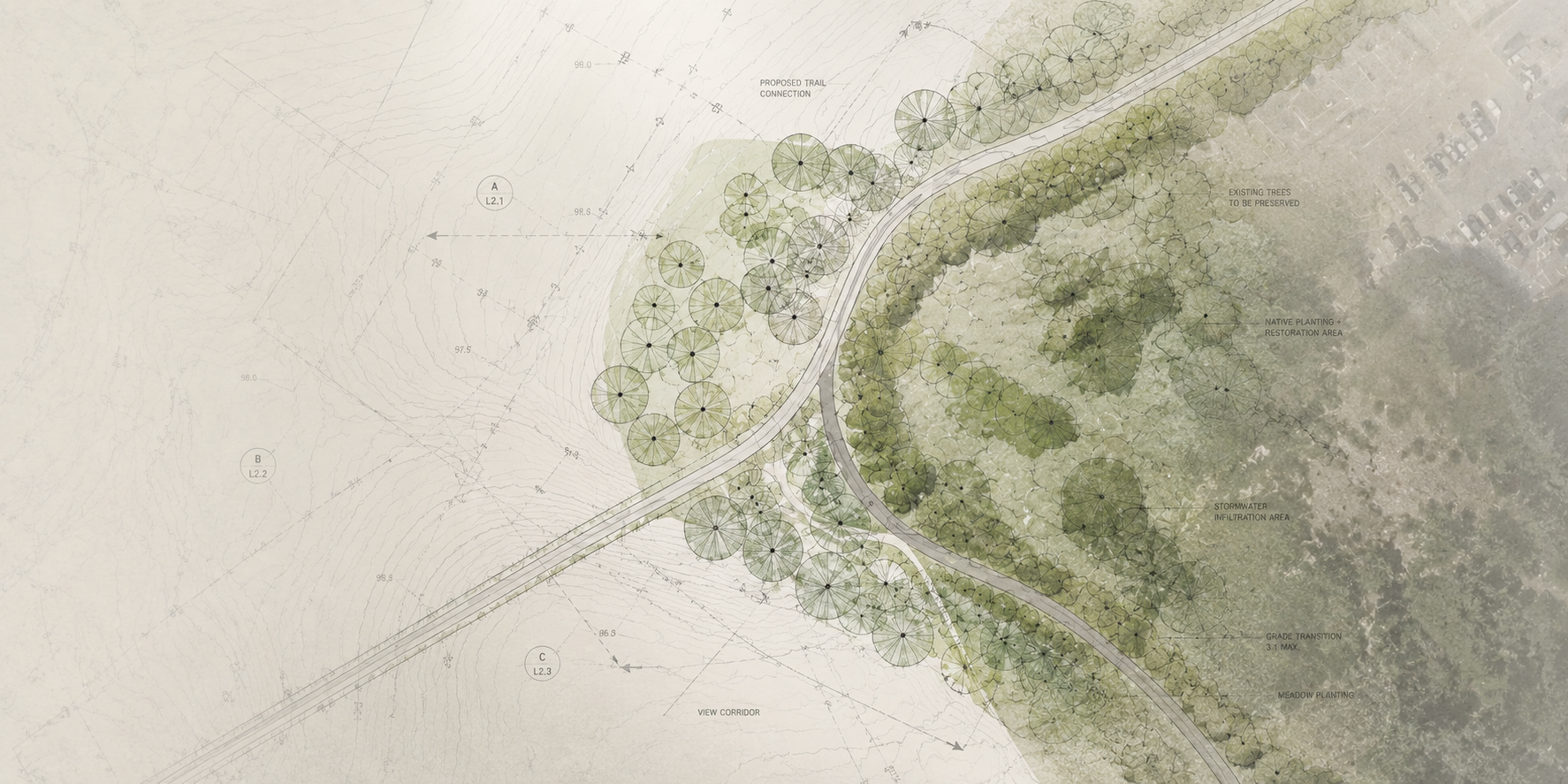
Landscape architecture services for development, municipal, and commercial projects.
FOR HOMEOWNERS
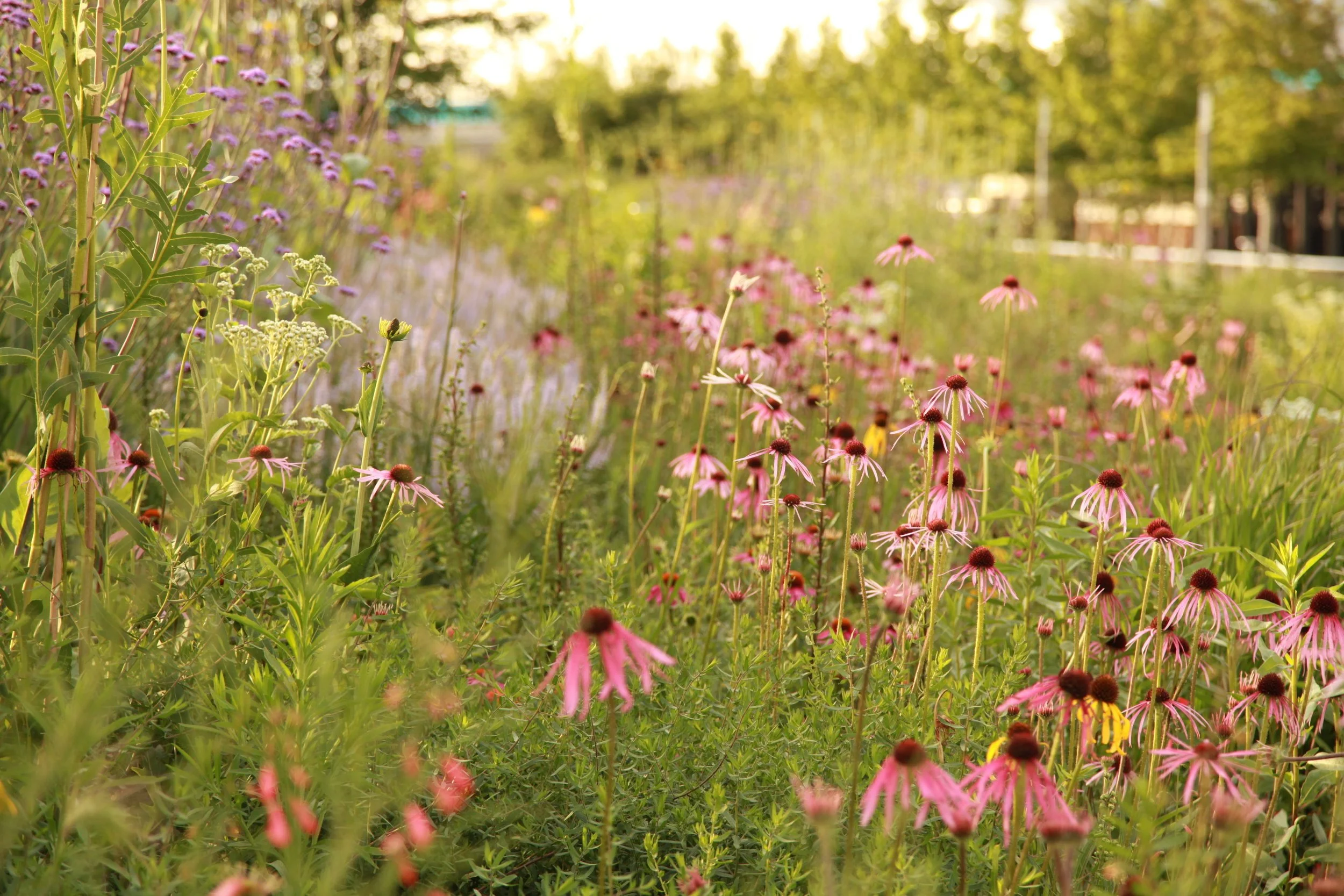
Ecological landscapes, native planting, and land stewardship for residential properties.
ABOUT BOMBUS
Designing landscapes with purpose
We design landscapes that balance function, durability, and ecological performance - from site plans to planting systems that actually work on the ground.
Bombus is built around practical, thoughtful design that supports both people and the environment over the long term.
Interested in learning more?
Take a look at the Bombus story, or explore our work below.

Frequently Asked Questions
-
We work on a wide range of public, commercial, recreational, and residential landscape projects including parks, playgrounds, trails, waterfronts, streetscapes, subdivisions, stormwater management ponds, environmental restoration areas, entry features, and buffer plantings.
Our work ranges from high-level planning and ecological strategy through to detailed landscape design and construction documentation. For a more detailed overview, please visit our ‘Developer’ and ‘Homeowner’ pages.
-
Yes. A significant portion of our work involves collaborating with developers, municipalities, institutions, architects, planners, and engineering teams on commercial, public realm, recreational, and development-related landscape projects.
-
We often work as part of a larger consultant team alongside architects, planners, engineers, municipalities, and contractors. Depending on the project, our role may include site layout, grading, planting plans, public realm improvements, ecological strategies, construction documentation, and support through planning approvals and implementation.
-
Yes. As an accredited Landscape Architecture practice, we are able to prepare and stamp landscape drawings required as part of municipal planning, site plan approval, and development review processes.
-
Every site is different, so understanding existing conditions is an important part of our process. Depending on the project, we may use drone imagery, topographic surveys, GIS mapping, historical imagery, field measurements, site observations, and conversations with landowners or project teams to better understand how the landscape functions.
We look at things like grading, drainage, sunlight, vegetation, circulation, views, ecology, and long-term land use to help guide thoughtful and informed design decisions.
-
Yes. Golf and recreational landscapes are a longstanding interest within our practice. Growing up as a competitive golfer played a major role in shaping our interest in landscape architecture - particularly the relationship between the managed and the natural within the playing environment.
We’re especially interested in projects that combine ecological enhancement with player experience through strategic planting, woodland restoration, naturalized areas, and thoughtful landscape systems. As opportunities arise, this is a field we hope to continue growing into.
-
Not at all. While we regularly support commercial and public-sector work, we also take on select residential projects - particularly plant-focused ecological interventions that align with our design philosophy and move toward implementation.
-
We approach landscapes through the lens of landscape architecture. That means understanding the land before making design decisions - from soil and drainage to sunlight, ecology, and long-term growth.
Our work combines ecological thinking with practical construction knowledge to create landscapes that are thoughtful, buildable, and designed to evolve well over time.
-
No - but native plants play a major role in many of our landscapes. We believe ecological landscapes should provide meaningful food, habitat, and resilience within increasingly developed environments.
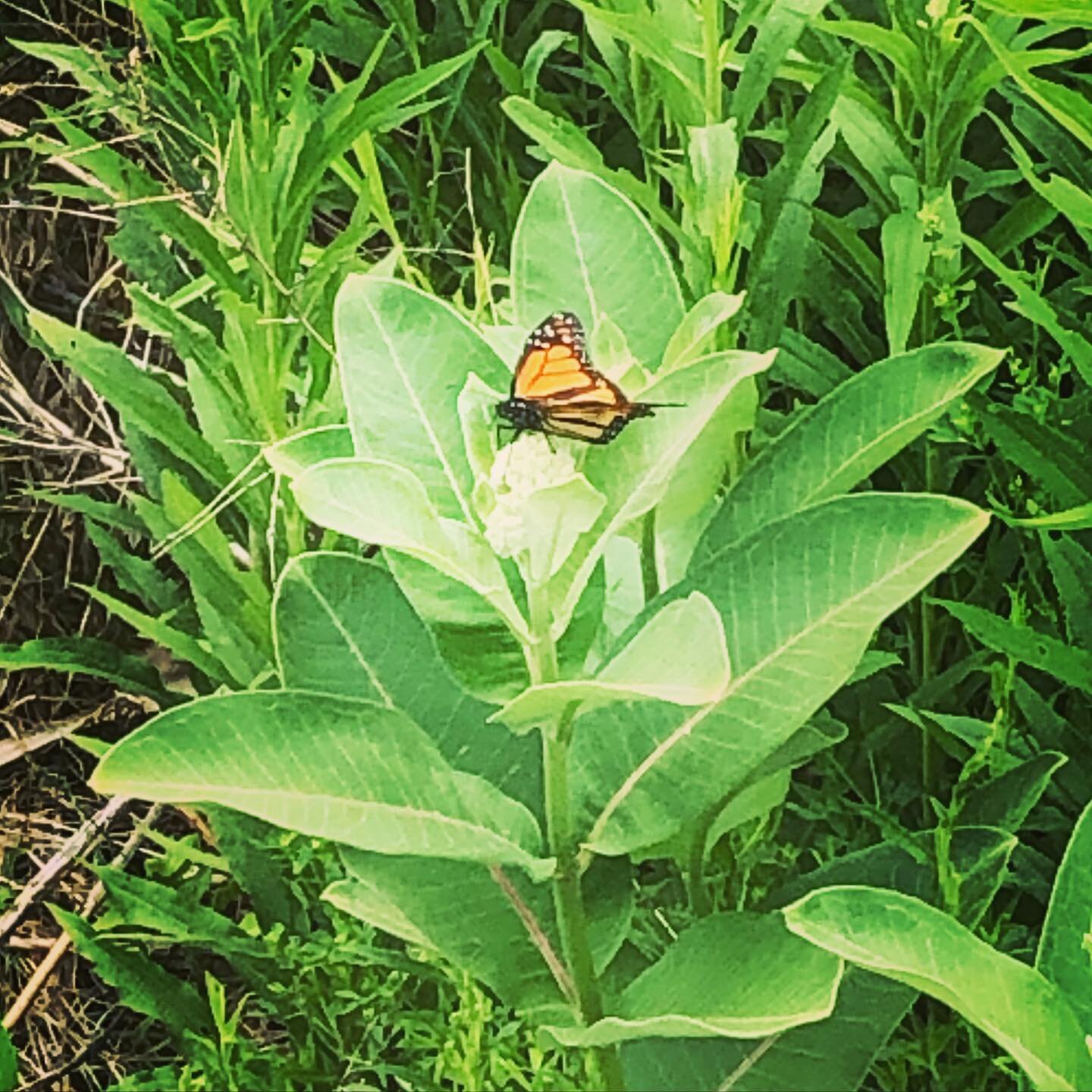
Native plants are especially important because they support pollinators and insects throughout their full life cycle. Those relationships support broader ecological health throughout the food web. We place particular emphasis on native keystone species such as oaks and other high-value trees, shrubs, perennial, graminoids, vines, ferns, ephemerals and more.
At the same time, urban conditions can be harsh. Salt spray, drought, compaction, heat, and pollution all affect plant performance. In some cases, we may incorporate resilient non-invasive species or cultivars better suited to those conditions.
Our philosophy is simple: the right plant - or plant communities - in the right place.
-
A quote from Aldo Leopold that has always resonated with us is:
“One of the penalties of an ecological education is that one lives alone in a world of wounds.”
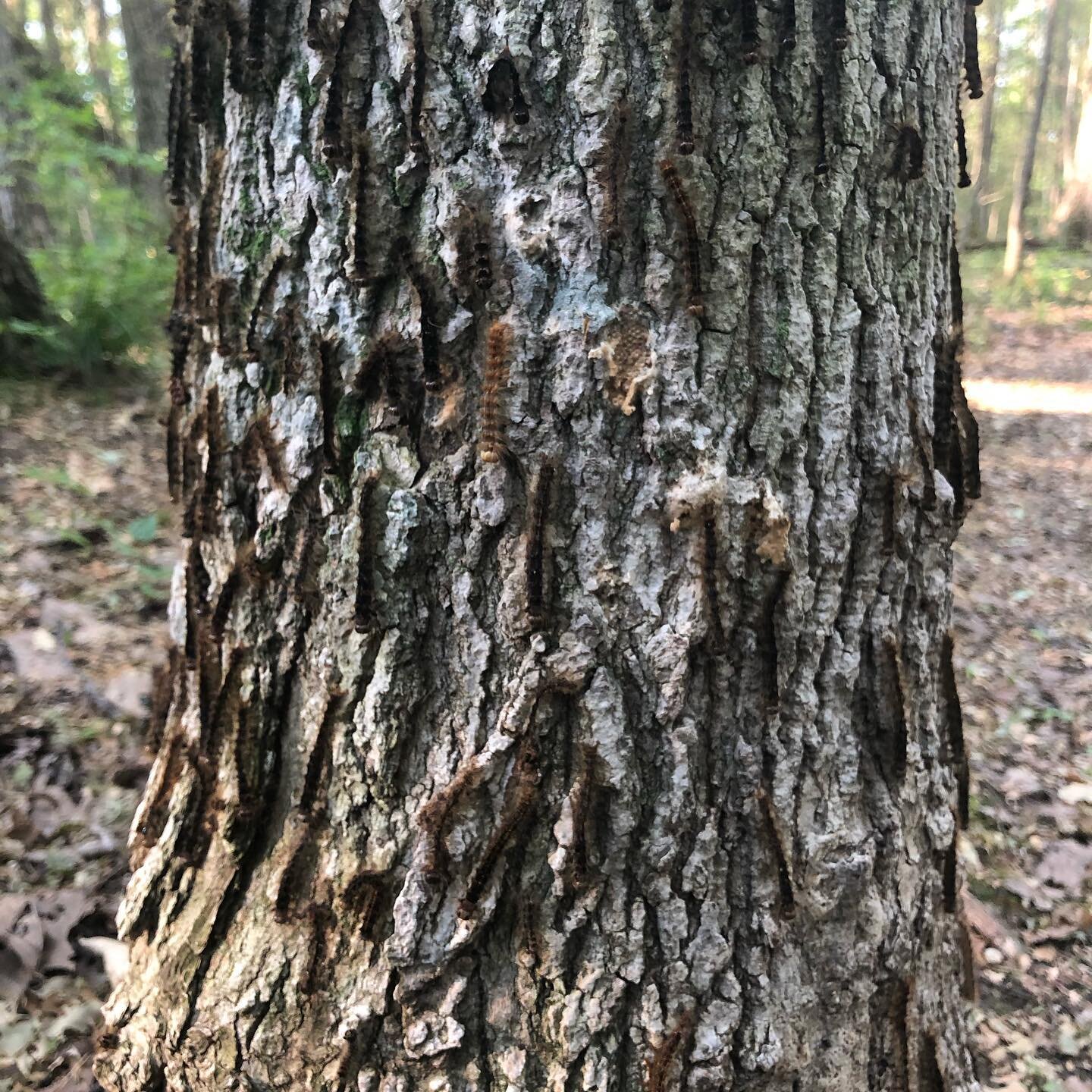
The more we learn about landscapes and ecological systems, the more difficult it becomes not to notice the damage around us. Whether it’s the spread of buckthorn, Japanese knotweed, garlic mustard, and dog-strangling vine - or diseases and pests such as Emerald Ash Borer, beech bark disease, Dutch elm disease, chestnut blight, and the growing threat of oak wilt - many of the landscapes we know today are only fragments of what once existed.
That reality can carry a sense of mourning. But it also creates responsibility.
We believe ecological restoration and stewardship matter deeply. Through invasive species management, replanting, habitat restoration, and long-term care, we believe thoughtful action can help rebuild healthier, more resilient landscapes - not only for wildlife and ecological function, but for our own wellbeing and connection to place as well.
-
Absolutely. We believe ecological landscapes should feel immersive and alive, but also thoughtful and intentional. Through structure, layering, grading, spatial organization, and carefully selected planting, ecological landscapes can feel both natural and well-composed.
A phrase we often return to is: “messiness within clean borders.”
That balance allows landscapes to support biodiversity and ecological function while still feeling maintained, welcoming, and visually organized.
-
Our primary focus is landscape architecture, ecological systems, and planting-driven environments rather than hardscape-heavy outdoor living design. We’re most interested in projects where planting, grading, habitat, and spatial composition shape the overall landscape experience.
-
No - we also work on implementation and installation for select projects. We believe good design should be grounded in the realities of construction, planting, and long-term landscape performance.
Being involved in the build process helps us refine details, understand materials more deeply, and create landscapes that are both thoughtful and achievable. There’s also something deeply rewarding about watching a shared vision come to life and evolve over time.
-
Continuous education is an important part of our practice. In addition to Landscape Architecture accreditation, we have achieved Green Roof Professional certification and completed RX-100 prescribed fire training focused on ecological landscape management.
We continue to pursue further training in ecological restoration, vegetation management, urban forestry, and arboriculture. This ongoing education helps us bring current ecological knowledge, technical understanding, and practical field experience into the landscapes we design and implement.
-
You can reach us anytime via our contact page or email. We aim to respond quickly - usually within one business day.